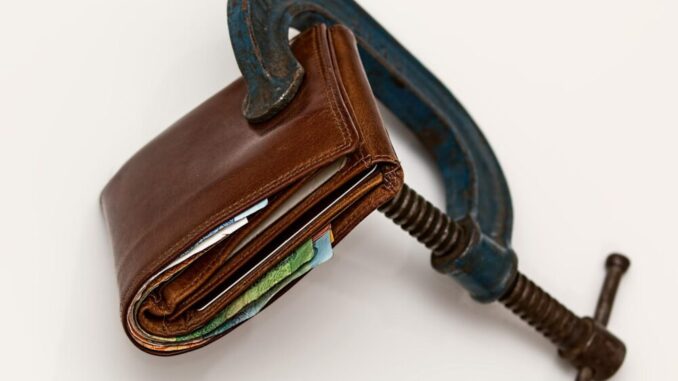
UK households are really feeling the pinch of the cost-of-living crisis, with inflation on the rise and energy bills skyrocketing each month. It is important to try and make cuts where possible, and the following lists a number of top ways in which you can handle your finances accordingly.
Budgeting
Comprehensive weekly, monthly or even quarterly budgets are important in helping you to stay on top of your spending. It is important to begin by listing down current expenditures, as well as those upcoming in the near future.
Experts suggest trying the 50/30/20 rule. This enlists 50% of your income to be spent on necessities, such as rent, bills, food shopping and so on. 30% to be spent on activities and extracurricular wants, such as new clothing and meals out. 20% should be put away towards larger payments such as student loans, or into a savings account.
Put away savings
A good tip is to set up a standing order into your savings account on the day that you receive your pay cheque each money. This can be as small or as large as you like, but ensure to try and make sure it is a viable amount of money that you won’t be needing immediate access to that month.
Think of the standing order like any other monthly payment, like fixed bills or rent.
Prioritise your credit score
Credit scores are extremely important for instances such as wanting to buy a home. An exemplar credit score will allow for your to be approved for loans or mortgages speedily, as well as benefit from lower interest rates.
One of the best ways you can work on your credit score is reviewing it annually and adjust spending or borrowing patterns accordingly. This includes low credit card balances, as well as long-term cards. There are £2 credit reports available here from Gov.uk.
Make sure of soft credit report sites to review your credit score, which will not impact your credit history.
Do not forget about your pension
Pension payments are an incredibly easy way to ensure that money is safely put away for your future in retirement. Employers typically match their employee’s pension payments, and in some instances, even exceed it.
Pensions are in fact one of the safest and tax-conducive forms of monetary investment.
Always keep an emergency funds
Emergency funds are incredibly important, especially in instances where you are a homeowner or where medical care is not free. An emergency fund will thus act as a safety net.
It additionally helps to ensure that you will not endure high interest repayments in instances where you may have to borrow an emergency loan.
