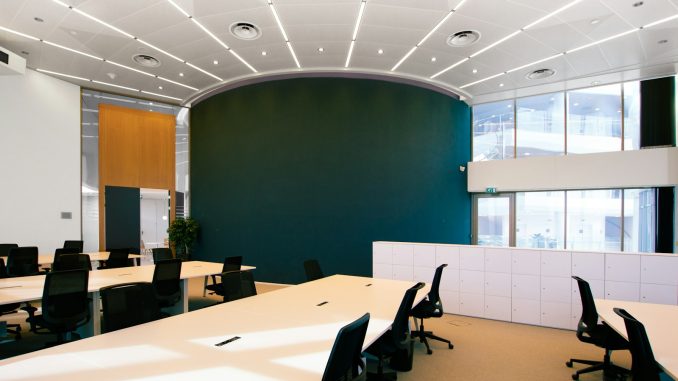
Modern workplaces constantly evolve to meet the demands of dynamic teams and ever-changing business needs. Amidst the focus on digital tools, flexible working hours, and ergonomic furniture, a crucial aspect is often overlooked: the impact of sound on productivity. Noise pollution in offices frequently leads to distractions, stress, and even decreased job satisfaction. Addressing this challenge requires more than just asking employees to lower their voices. Enter the innovative solution: acoustic panels.
The importance of sound in the workplace
Open-plan offices have become popular for fostering collaboration and maximizing space. However, these environments also bring about unintended consequences, primarily in the form of increased noise levels. Conversations, phone calls, and even the hum of office equipment can disrupt concentration. Prolonged exposure to such disturbances not only hinders performance but may also affect employee health.
Acoustic management has emerged as a key factor in designing productive workspaces. Studies suggest that excessive noise can lead to higher stress levels and reduced focus. While headphones and quiet zones offer temporary relief, they do not address the root cause of the problem. Organizations must seek comprehensive solutions that balance collaboration with concentration.
What are acoustic panels?
Acoustic panels are specialized wall or ceiling materials engineered to absorb and diffuse sound waves. Unlike ordinary décor, these panels are crafted from materials such as foam, fabric, or wood fibers, which are designed to capture sound energy and minimize echo. By installing acoustic panels in strategic areas, workplaces can significantly reduce ambient noise.
The versatility of acoustic panels allows them to blend seamlessly into any office design. Available in a variety of shapes, sizes, and finishes, they complement modern aesthetics while serving a functional purpose. Whether mounted on walls as stylish features or suspended from ceilings in open areas, these panels offer a subtle yet effective way to manage sound.
The financial benefits of noise reduction
Improving the sound environment in an office is not just about comfort; it also has tangible economic benefits. Enhanced concentration leads to fewer errors, faster task completion, and greater innovation. Teams that operate in quieter environments report fewer sick days and lower turnover rates.
For businesses mindful of their bottom line, investing in acoustic solutions becomes a strategic decision. The initial expenditure on high-quality panels is offset by gains in productivity and employee retention. Furthermore, reduced distractions can minimize the need for costly interventions such as relocating departments or redesigning entire office floors.
Acoustic panels and employee well-being
A quiet workspace is essential for mental health and job satisfaction. Employees who feel their comfort is prioritized are more likely to be engaged and motivated. Acoustic panels contribute to a sense of calm, making meetings more effective and individual work less stressful.
In hybrid and remote work scenarios, some employees may join virtual meetings from office spaces. Ensuring that these areas are acoustically optimized improves sound quality during calls, enhancing communication and reducing the fatigue associated with poor audio.
Integrating acoustic panels in different environments
While offices are primary beneficiaries, the application of acoustic panels extends beyond the corporate world. Educational institutions, healthcare facilities, and even hospitality venues recognize the value of sound control. Libraries rely on these panels to maintain an atmosphere conducive to study, while restaurants use them to create a more enjoyable dining experience.
The customization potential is considerable. Companies can select colors and materials that align with their brand identity, making panels a part of the visual narrative rather than an afterthought. In creative settings, designers often use acoustic panels as statement pieces that double as conversation starters.
Sustainability and modern design
Sustainability remains at the forefront of design decisions. Many manufacturers produce acoustic panels from recycled or renewable materials, appealing to organizations with green initiatives. This not only reduces environmental impact but also sends a positive message to employees and clients alike.
Modern acoustic panels often incorporate modular designs, allowing for easy installation and reconfiguration as office needs change. This flexibility ensures that businesses can adapt their sound management strategies without extensive renovations.
Looking ahead: A sound investment
As organizations strive to create environments that foster productivity and well-being, addressing noise should be a top priority. Acoustic panels provide an effective, adaptable, and aesthetically pleasing solution to one of the most persistent workplace challenges. By investing in sound management, businesses not only enhance day-to-day operations but also demonstrate a commitment to employee satisfaction and long-term success.
Acoustic panels in an office environment significantly reduce noise distractions by absorbing excess sound and minimising echo, creating a quieter and more focused workspace. This leads to improved concentration, clearer communication, and reduced stress levels among employees, all of which enhance productivity and efficiency. When staff can work more effectively with fewer interruptions, tasks are completed faster and to a higher standard, directly reducing wasted time and operational costs. In turn, this measurable increase in productivity and efficiency generates greater financial gain for the business, as improved performance translates into higher output, better client satisfaction, and ultimately increased profitability.
