Gold At Risk Amid Hawkish Fed Expectations, warns Zaheer Anwari

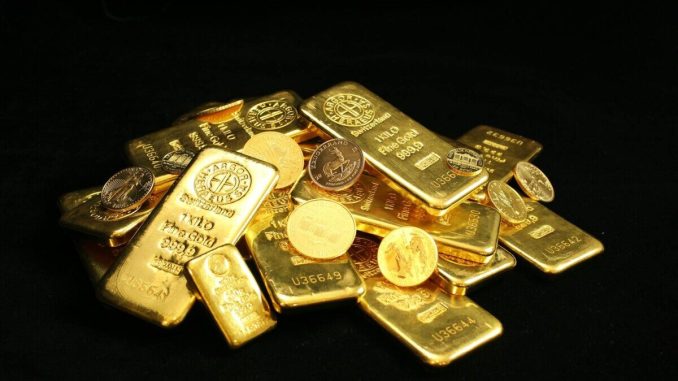
Close-up of shiny gold bars and coins symbolizing wealth and prosperity.

Gold markets continue to navigate a complex and highly reactive macroeconomic environment, with investors balancing geopolitical uncertainty against the growing prospect of tighter monetary conditions for longer. Recent developments in the Middle East, combined with shifting expectations around inflation and interest rates, have reinforced volatility across commodities and financial markets. As a traditional safe-haven asset, gold remains particularly sensitive to movements in bond yields, oil prices and central bank policy signals, leaving traders closely focused on both geopolitical headlines and economic data for clues on the metal’s next direction.

Zaheer Anwari – Co-Founder and CEO at The Revacy Fund explains:

Gold remains vulnerable in the near term amid increasingly hawkish monetary policy expectations and elevated bond yields. Minutes from the latest Federal Reserve meeting showed growing concern among policymakers that inflationary pressures linked to Middle East tensions could prove more persistent. This has strengthened the higher-for-longer narrative and supported Treasury yields, weighing on non-yielding assets such as gold.

However, renewed diplomatic efforts have improved the prospect of de-escalation. Any progress toward a reopening of the Strait of Hormuz could push oil prices lower, ease inflation concerns and, in turn, bring bond yields down, which could reduce some of the pressure on gold. If tensions flare again, the market will have to weigh two competing forces: safe-haven demand on one side, and higher oil, firmer inflation expectations, and higher yields on the other.

Despite these near-term headwinds, structural support for bullion remains intact, as ongoing central-bank purchases continue to provide an important floor under the market. Looking ahead, gold is likely to remain highly sensitive to geopolitical developments and, more specifically, to how they feed through into oil, inflation expectations, and bond yields.

From a technical perspective, gold continues to trade within its range, with the all-time high printed in January acting as resistance and the daily 200 SMA providing support. From a portfolio perspective, we remain flat after selling the long positions we had held since March 2024 above $5,000 at the start of the year. For now, we are waiting for a breakout and a clearer trend direction. With the broader trend still bullish, we favour a move to the upside, but we will wait for confirmation before buying back in, with $10,000 remaining the next long-term target.

While short-term price action is likely to remain volatile, the longer-term outlook for gold continues to be underpinned by structural demand and persistent geopolitical uncertainty. Investors are expected to remain cautious until there is greater clarity around the direction of inflation, the trajectory of interest rates, and the stability of global energy markets. In the months ahead, gold’s ability to regain upward momentum will largely depend on whether easing inflationary pressures can offset the drag from elevated yields. Until then, the precious metal is likely to remain caught between competing macroeconomic forces, with markets closely watching for the catalyst that could determine its next major move.