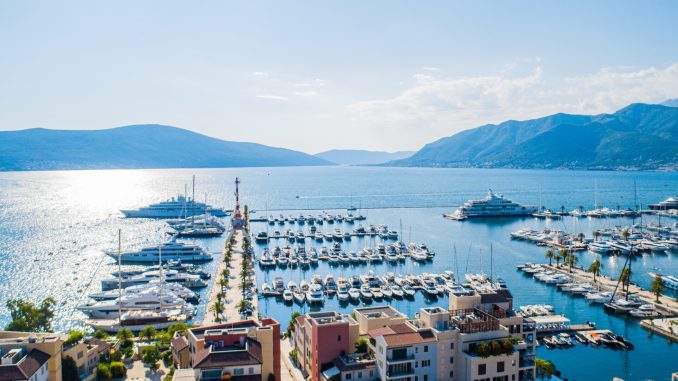
The International Finance Corporation (IFC), part of the World Bank Group, has announced an $80 million investment in Porto Montenegro, signalling renewed international confidence in Montenegro’s economy and its growing appeal to global investors.
The financing will support the next phase of development at Porto Montenegro, the luxury marina and waterfront destination in Tivat, while helping stimulate employment, strengthen local supply chains and encourage year-round economic activity in one of Europe’s fastest-growing tourism markets.
The investment represents another example of multilateral finance being used to unlock private-sector growth, particularly in emerging European economies seeking to diversify their sources of income beyond seasonal tourism.
Tourism Remains a Key Economic Driver
Tourism continues to underpin Montenegro’s economy, accounting for around 26% of GDP and supporting approximately 22% of total employment.
While the sector has delivered strong economic growth in recent years, policymakers have increasingly focused on extending visitor activity beyond the summer season to improve economic resilience and create more stable employment opportunities.
The expansion of Porto Montenegro is expected to contribute towards that objective by attracting visitors, businesses and investment throughout the year while supporting industries ranging from hospitality and retail to marine services and construction.
Investment with Long-Term Returns
In addition to expanding tourism infrastructure, the project will introduce enhanced environmental standards covering energy efficiency, water conservation and waste management.
The adoption of internationally recognised building and sustainability standards is expected to strengthen the destination’s long-term investment credentials while helping preserve the natural and cultural heritage of the Bay of Kotor.
For investors, environmental performance is increasingly becoming a key consideration as institutional lenders and international finance organisations place greater emphasis on ESG (Environmental, Social and Governance) principles when allocating capital.
David Margason, Managing Director of Porto Montenegro, said:
“This collaboration with IFC reflects confidence in Montenegro’s long-term potential and in Porto Montenegro’s vision for future growth. It will support the next phase of development of Porto Montenegro, helping create economic opportunities, improve infrastructure, and deliver long-term value for local communities.”
Multilateral Finance Supporting Private Investment
The IFC said the project highlights how development finance institutions can work alongside private enterprise to unlock investment while improving economic competitiveness.
Wiebke Schloemer, IFC Director for the Western Balkans and South Caucasus, said:
“Porto Montenegro demonstrates how private investment can help strengthen Montenegro’s tourism and maritime sectors while raising standards and attracting new investment. By supporting year-round activity and expanding the range of services and opportunities available, this project can help create jobs, strengthen local supply chains, and contribute to the country’s long-term competitiveness.”
Growing Confidence in Montenegro
The latest investment reinforces Montenegro’s position as an increasingly attractive destination for international capital, particularly in sectors linked to tourism, infrastructure and sustainable development.
As governments and investors continue to prioritise projects that combine commercial returns with measurable environmental and social outcomes, developments such as Porto Montenegro illustrate how strategic financing can generate broader economic benefits beyond individual assets.
With backing from the IFC, the project is expected to support long-term growth, improve investor confidence and contribute to Montenegro’s wider ambition of building a more resilient, diversified and internationally competitive economy.