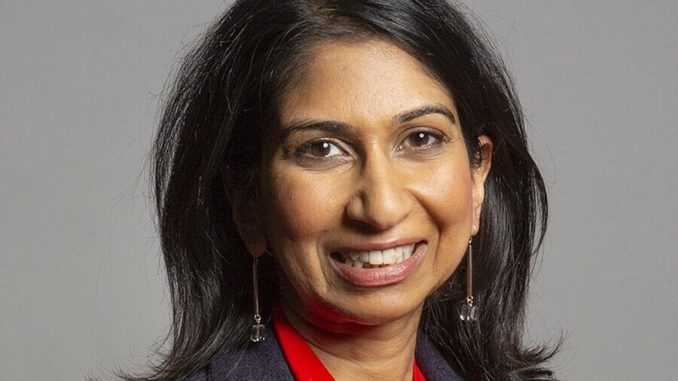
Suella Braverman’s decision to resign from the Conservative Party and join Reform UK represents a notable shift in the UK political landscape that markets will be watching closely. The former Home Secretary announced her departure from the Conservatives after three decades of membership, declaring that she had “come home” by joining Reform UK and will sit as its Member of Parliament for Fareham and Waterlooville.
For financial markets, political realignments can influence investor sentiment, particularly when they occur amid existing economic uncertainty. The UK’s sovereign debt outlook, sterling’s exchange rate and risk assets such as UK equities are all sensitive to perceptions of political stability and policy direction. A movement of prominent MPs from one party to another — especially in the run-up to future elections — can reshape expectations about fiscal and economic policy priorities.
A key concern for investors is the potential for shifts in fiscal policy direction. While Reform UK has not yet published a formal government programme, its public positioning on issues such as taxation and public spending differs from the mainstream Conservative platform. Markets may therefore reassess the UK’s risk premium if it appears that the governing party or opposition bloc is fragmenting or if policy uncertainty grows.
Currency markets often react to political developments ahead of concrete policy changes. If investors sense increasing volatility in the UK’s political consensus, sterling could face downward pressure relative to major peers, widening currency risk premiums. Likewise, gilts may exhibit greater sensitivity to political narratives if debates over borrowing, taxation and public services intensify.
From an equity market perspective, heightened political risk can feed into higher volatility in domestic sectors, particularly those sensitive to regulatory or fiscal shifts. UK-focused small-cap indices and domestically oriented sectors such as financials and consumer discretionary stocks may be especially responsive.
Braverman’s stated belief in a “better future for Britain” under a different political alignment underscores the broader narrative of change within the UK’s centre-right. For global investors, the key question will be whether these shifts presage substantive policy divergence or are largely symbolic — and how swiftly that divergence might materialise in governing platforms ahead of the next general election.