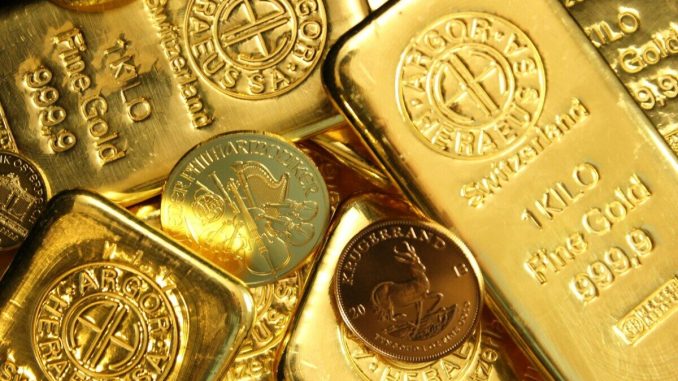
Gold prices have fallen to multi-month lows as investors react to rising government bond yields and expectations that major central banks may keep monetary policy tighter for longer.
The precious metal, traditionally viewed as a safe-haven asset during periods of uncertainty, has come under pressure as stronger economic data and renewed inflation concerns have shifted market sentiment. Gold does not pay interest, making it less attractive when government bonds offer higher returns.
According to market analysts, the latest decline has been driven by a combination of robust US employment figures, rising oil prices and growing expectations that policymakers may continue to prioritise inflation control over economic stimulus.
Somesh Kapuria, CEO – Hola Prime, said:
“Gold dropped to multi-month lows on Monday as a broad rise in government bond yields across the United States, Europe and Japan increased pressure on non-yielding assets. The bond market reacted to stronger-than-expected US labour data on Friday and increasing inflation concerns amid renewed geopolitical tensions in the Middle East and a rebound in oil prices. This reinforced expectations of a more restrictive monetary policy stance.
In Japan, investors increasingly expect the Bank of Japan to raise interest rates. Meanwhile, the European Central Bank is widely expected to tighten its monetary policy at its upcoming meeting. At the same time, the Federal Reserve is forecast to raise interest rates later this year. Higher interest rates across major economies could create more challenging conditions for gold.
Looking ahead, investors will remain focused on geopolitical developments and central bank monetary policy signals. Any indication that the conflict could persist for longer may continue to support inflation expectations and keep pressure on gold. Nevertheless, ongoing central bank gold purchases are likely to provide a degree of support and help limit downside risks over the longer term.”
The relationship between gold and bond yields has long been one of the most closely watched indicators in financial markets. When bond yields rise, investors can achieve stronger returns from fixed-income investments, reducing the appeal of assets such as gold that generate no income.
Recent economic data from the United States has reinforced expectations that inflationary pressures remain stubborn. Combined with higher energy prices resulting from tensions in the Middle East, markets are increasingly pricing in the possibility that interest rates could remain elevated for longer than previously anticipated.
Central banks around the world have spent the last several years attempting to bring inflation under control following the post-pandemic surge in prices. While inflation rates have generally eased from their peaks, policymakers remain cautious about declaring victory too early.
The prospect of higher borrowing costs in the United States, Europe and Japan has therefore prompted investors to reassess their exposure to precious metals. Gold has traditionally performed well during periods of monetary easing and economic uncertainty, but tighter policy conditions can create significant headwinds.
Despite the recent weakness, some analysts remain constructive on gold’s longer-term outlook. Central bank purchases have continued at historically strong levels as countries seek to diversify reserves and reduce reliance on traditional reserve currencies. This demand has helped underpin the market during previous periods of price weakness.
Investors will now be closely monitoring upcoming central bank meetings, inflation data releases and developments in global geopolitical tensions. Any signs of slowing economic growth or a shift towards looser monetary policy could provide support for gold prices. However, if bond yields continue to rise and inflation concerns remain elevated, the precious metal could face further pressure in the months ahead.