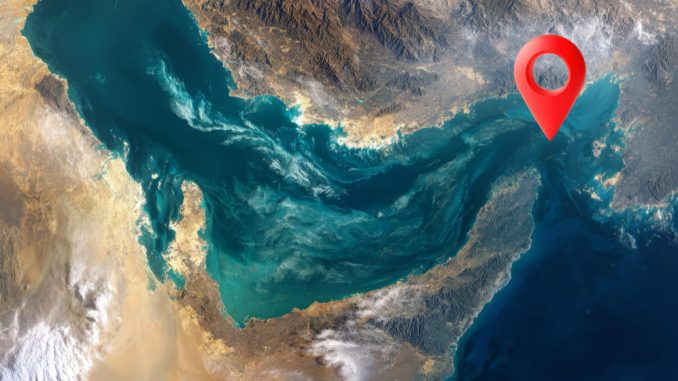
The decline marks a significant reversal from the sharp price spikes seen earlier in the month, when fears over escalating tensions involving the United States and Iran raised concerns about the security of global energy supplies and the potential for disruption through one of the world’s most important oil transit routes.
Market sentiment has shifted in recent days as diplomatic efforts have gathered momentum, easing fears that the conflict could escalate into a prolonged regional crisis. Investors are increasingly focusing on the prospect that oil exports from the Gulf could continue largely uninterrupted if negotiations continue to make progress.
One of the key factors supporting this renewed confidence has been the gradual recovery of shipping activity through the Strait of Hormuz. Around a fifth of the world’s oil consumption passes through the strategic waterway, making it one of the most closely watched chokepoints in global energy markets. Any threat to shipping in the region can have an immediate impact on oil prices worldwide.
Alternative shipping routes and enhanced maritime security measures have also helped reassure energy markets that exports can continue even if isolated disruptions occur. This has reduced some of the geopolitical risk premium that had been built into crude prices during the height of recent tensions.
Despite the recent decline, several factors continue to offer support to the market. Demand for oil remains relatively resilient in many parts of the world, while production levels among some major exporters remain carefully managed. At the same time, U.S. inventory data continues to suggest that underlying supply remains relatively tight, preventing prices from falling more sharply.
Konstantinos Chrysikos, Head of Customer Relationship Management at Kudo Trade, said:
“Crude oil prices extended losses on Thursday, returning toward the levels seen before the start of the tensions in the Middle East. Continued progress in diplomatic efforts between the United States and Iran has strengthened expectations that supply conditions will improve.
The gradual recovery in shipping activity through the Strait of Hormuz has reinforced this shift in sentiment. The opening of alternative navigation routes has also helped improve confidence that energy exports from the region will continue to normalize.
However, the physical market’s tightness could support prices to some extent, with U.S. crude inventories posting a ninth consecutive weekly decline.
Looking ahead, continued progress in negotiations could maintain downward pressure on oil prices as supply prospects improve. Nevertheless, any setback in diplomatic efforts or renewed disruption to maritime traffic could quickly restore volatility and reverse the recent decline in crude markets.”
Analysts say the coming weeks will be crucial for determining whether crude continues its downward trend or whether renewed geopolitical uncertainty pushes prices higher once again.
Investors will also be monitoring upcoming economic data from the United States, China and Europe for clues about future fuel demand. Slower economic growth could weigh further on oil consumption, while stronger-than-expected activity could offset some of the additional supply expected to return to global markets.
Central bank policy also remains an important factor. Interest rate decisions by major economies influence economic growth, industrial production and transport activity, all of which affect global oil demand. Any indication that borrowing costs could fall later this year may improve the outlook for energy consumption.
For now, however, markets appear to be taking comfort from the easing of geopolitical tensions, with crude prices settling back towards pre-conflict levels as traders reassess the balance between improving supply prospects and still-solid underlying demand.